Recruitment is changing for the better
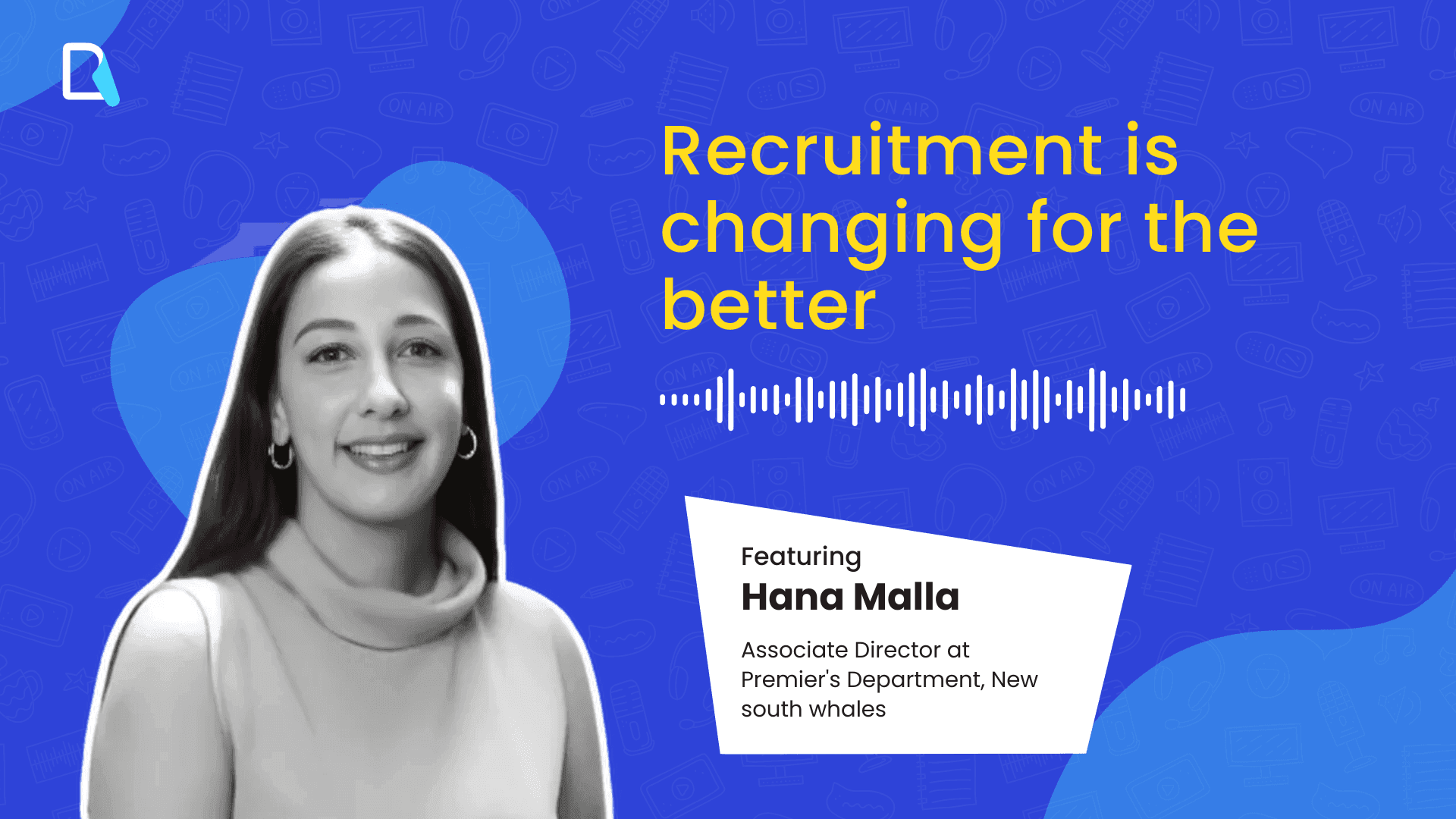
Hana Malla brings over 11 years of Human resource experience in the private and public secor and is the Associate Director at Premier's Department, New south

CONTENTS
- 00Introduction
- 01Key takeaways
- 02Start with the experience people actually have
- 03Give managers and recruiters a shared role
- 04Use feedback as a prompt for action
- 05A practical way to use this episode
- 06Make the next conversation specific
- 07Bring one real example to the next meeting
- 08Questions to discuss with your team
- What makes recruitment better for candidates?
- How can technology help?
- What should teams keep reviewing?
Recruitment improves when teams treat candidates as people, use better information, and work more closely with hiring managers. Change matters when it makes the process clearer and more respectful.
The conversation gives HR and hiring teams a practical way to think about how recruitment is changing for the better. It focuses on the decisions people make before, during, and after a hiring process, and on the small habits that shape how candidates and employees experience the company.
Key takeaways
- Recruiters can use new tools without losing the personal contact candidates need.
- A better process starts with honest role information and a shared plan with the hiring manager.
- Candidate feedback can show teams where the experience needs attention.
- Change is useful when it removes friction for candidates, recruiters, and managers.
Start with the experience people actually have
The episode brings the discussion back to what people see and feel in real situations. A policy, message, or hiring process becomes useful when people can understand it and use it without having to guess what comes next.
Recruiters can use new tools without losing the personal contact candidates need. A better process starts with honest role information and a shared plan with the hiring manager. A team can learn a lot by looking closely at the moments where people have to wait, repeat information, or ask the same question more than once.
This is where HR can move from a broad intention to a practical change. Choose one point in the process, ask the people involved what happens there, and write down the gap between the intended experience and the one they describe.
Give managers and recruiters a shared role
The people closest to a process often see different parts of the problem. Recruiters hear candidate questions. Hiring managers see the work the person will do. HR can bring those views together and make sure the team agrees on the purpose of each step.
Candidate feedback can show teams where the experience needs attention. Before a role opens, or before a new initiative begins, agree on who needs to act, what information they need, and when the team will make a decision. That makes the experience easier to explain to candidates and employees.
For example, a team can use a scheduling tool to reduce back and forth messages, then make sure a recruiter still explains what each interview is for.
Use feedback as a prompt for action
Feedback becomes useful when a team can connect it to a decision. People are more likely to keep sharing their experience when they can see that someone listened and explained what will happen next.
Change is useful when it removes friction for candidates, recruiters, and managers. Start with the issue that has the clearest effect on people’s experience. A smaller change, such as a clearer interview invitation or a better handover between teams, can show people that their feedback has a place in the way work is run.
A practical way to use this episode
Use the ideas from this conversation with one real piece of work. Choose one process, one group of people, and one change the team can review.
- Pick a point where people are confused, delayed, or unsure who owns the next action.
- Ask the people involved what they need to know or do at that point.
- Compare those answers with the process your team expects people to follow.
- Make one change that removes a clear source of friction.
- Check back with the people affected and decide whether the change helped.
This approach gives a team a way to test the discussion in day-to-day work. It also creates better questions for the next hiring meeting, manager conversation, or employee feedback review.
Make the next conversation specific
Teams often use broad language when they talk about how recruitment is changing for the better. The next conversation becomes more useful when it starts with a recent situation that people can describe clearly. It might be a candidate who stopped replying, a manager who was unclear about a decision, or an employee who found a process harder than it needed to be.
Ask what happened, who needed to act, and what information was missing. Then choose the smallest change that would make that situation easier next time. Give one person responsibility for following through and checking what changed.
After the team makes a change, look for a practical sign that the experience improved:
- People know what happens next without chasing for an answer.
- Managers and recruiters have the information they need before they make a decision.
- Candidates or employees can explain the process in their own words.
Bring one real example to the next meeting
Before your next hiring or people meeting, bring a recent example related to how recruitment is changing for the better. Choose something the people in the meeting can see, such as a candidate email, interview feedback, an onboarding question, or an employee request.
Read it together and ask what it tells you about the process. Decide whether someone needs more context, a faster reply, or a different way to complete the work. Record the decision and name the person who will check the result.
Small records help a team learn over time. They show which changes made work clearer and which questions keep returning, so the next discussion starts with evidence from the people involved.
Questions to discuss with your team
What makes recruitment better for candidates?
Clear information, timely communication, and an interview process that respects their time make a difference.
How can technology help?
Technology can reduce repetitive work and make information easier to manage when people still guide the process.
What should teams keep reviewing?
Review the role description, candidate feedback, interview experience, and time taken to reach a decision.
Practical recruiting playbooks, HR tutorials and hiring trends from the team behind Recooty — hiring software for growing teams.