Mastering Startup Hiring
Hiring a valuable bunch of employees is tough for startups. We've researched & came up with detailed tips master hiring for your startup.


CONTENTS
- 00Introduction
- 01Key takeaways
- 02Startup hiring plan: decide what actually needs a hire
- A data point worth pressure-testing
- 03Have a Clear Mission & Vision:
- 04Create An Awesome Employer Brand:
- 05Consider Hiring Remote Candidates:
- 06Look for Passion, Drive, & Abilities:
- 07Turn a startup role into a 90-day hiring brief
- 08Best recruiting software for small business: build a lean, repeatable startup workflow
- 09Frequently Asked Questions
- 10Connect the hire to the next milestone
- 11Put the hiring brief to work
Work backward from the next milestone. Decide whether the obstacle needs a full-time hire, a contractor, automation, a process change, or a later decision. For roles that truly need a hire, define measurable outcomes before sourcing and use the same evidence-based process for every candidate.
Startup hiring has a smaller margin for error because each person owns a meaningful part of the next milestone. Before you open a role, decide what work is blocked, what outcome the hire must deliver, and whether a full-time employee is the right answer.
Candidates also need an honest picture of the trade-offs. Explain the mission, pace, resources, decision-making authority, compensation, and uncertainty so people can judge whether the role fits their goals and working style.
Key takeaways
- Startup hiring should begin with the next business milestone, not with a generic wish to add headcount. Name the constraint, the work that removes it, and the evidence that the hire is succeeding.
- Every early hire needs a narrow role brief: outcomes for the first 30, 60, and 90 days; essential skills; decision rights; manager; pay and equity range where appropriate; work location; and deal-breakers.
- Sell the real startup experience. Candidates should understand the mission, uncertainty, pace, ownership, resources, and trade-offs before they accept an offer.
- Use structured interviews and a short, role-relevant work sample to test what matters. Do not confuse enthusiasm for the startup with evidence that someone can do the job.
- Keep the process lean and responsive. Founders and hiring managers should own the role context and close the feedback loop quickly, even if software automates scheduling and reminders.
- Choose recruiting software that creates consistency without demanding enterprise-level administration. A small team needs a clear pipeline, source tracking, scorecards, status updates, and clean handoff to onboarding.
Startup hiring plan: decide what actually needs a hire
At an early stage, an overloaded founder is not automatically a job description. Start with the business outcome that must be true for the next milestone, then identify the constraint preventing it. This makes the hiring plan easier to explain to candidates and investors, and it reduces the risk of hiring ahead of the real work.
| If the constraint is... | First option to test | Hire when... | Evidence to define before opening the role |
|---|---|---|---|
| A short, defined project | Contractor, freelancer, or agency | The work will be ongoing and core to the company | Deliverable, deadline, quality standard, and owner |
| A repetitive manual task | Process redesign or automation | The volume is stable and needs accountable ownership | Weekly volume, error rate, and service-level expectation |
| Missing specialist knowledge | Advisor, fractional expert, or training | The capability must exist inside the company every day | Decisions the hire will own and knowledge they must build |
| A revenue or customer bottleneck | Founder-led discovery and a temporary experiment | The sales or success motion is repeatable | Pipeline, conversion, retention, or customer-outcome target |
| A growing coordination burden | Clear roles and operating rituals | Coordination is repeatedly blocking delivery | Meeting load, handoff failures, or missed priorities |
This milestone-first approach appears in current startup-hiring guidance because it prevents a polished hiring process from becoming a substitute for a real strategy. The question is not “who do we need?” but “what work must be owned for the company to reach the next result?” See a current startup strategy example.
A data point worth pressure-testing
Gem's 2026 recruiting benchmarks report found that smaller companies advanced 25% of applicants to stages before the final onsite interview but ultimately hired 0.3%, while larger organisations filtered earlier and hired 0.7% of applicants across the full funnel. This is a provider benchmark, not a rule for every startup. The practical lesson is to define non-negotiables early and avoid moving large numbers of applicants forward simply because the team has not agreed on what good looks like. Read the benchmark report.
Given below are 4 tips that will definitely help you hire the best talents. These candidates then can effectively make a difference and hustle for the goodwill and benefits of your startup.
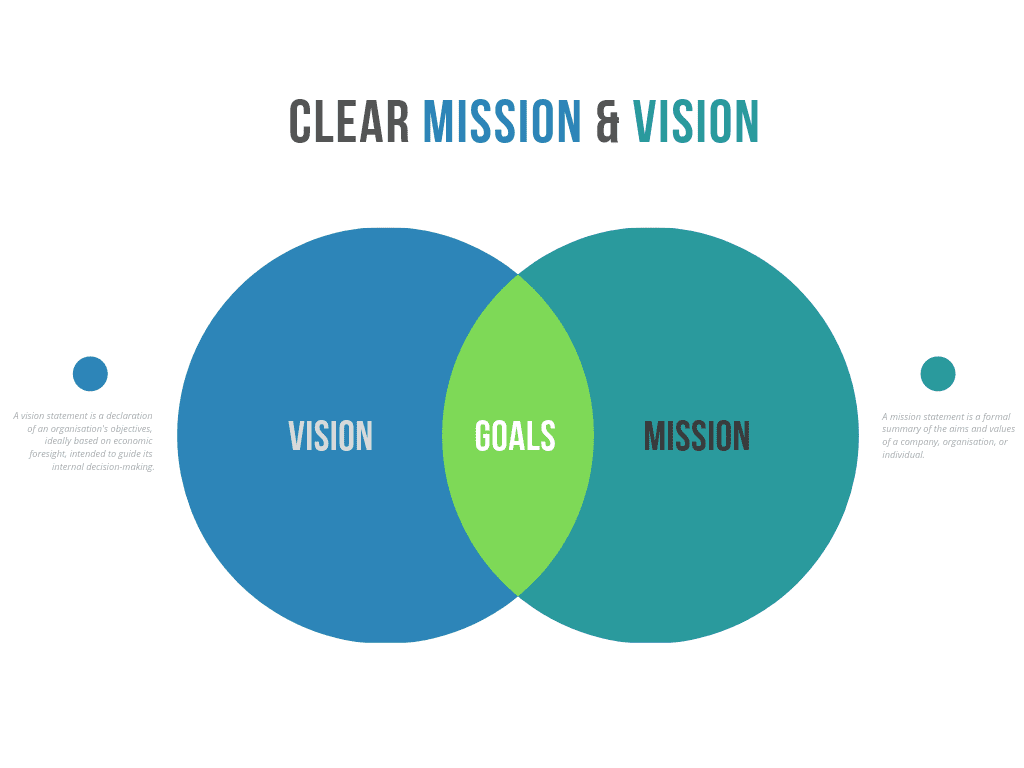
Have a Clear Mission & Vision:
Create An Awesome Employer Brand:
Startups usually have to work a lot harder than well-established companies because when it comes to hiring good people they almost certainly wouldn’t have heard about your company. Sourcing talents is a big issue for new companies. After all, they have to compete with all the big names, brand names, and cool companies.
That’s why startups and small organizations shouldn’t depend only on mainstream visibility and word-of-mouth recruitment. In order to attract the top talents from the talent pool, it’s extremely important to build a robust employee value proposition and employer brand. A favorable and effective employer brand image definitely influences the applicant attraction positively.
Consider Hiring Remote Candidates:
Wouldn’t it be better if the world becomes a bigger place full of great talent to choose from? With the hunt for the answer to this question, remote work is becoming a common practice nowadays for startups. If finding suitable candidates in the local area becomes difficult, then hiring remotely becomes a necessity.
Hiring remotely means that the startup recruiters will be having an entire world full of talented employees to choose from. Many high-rank companies have effectively benefited from the concept of hiring remote employees and it can definitely help startups to expand their reach and explore to find and hire the best of the talents.
Basecamp, now a well-known project management tool trusted by millions of users, had a total team of 16 remote workers at different time zones and created one of the world’s best tools.
Look for Passion, Drive, & Abilities:

Startup recruiters need to be clear about what abilities they want in their employees. Everything that is required and expected from the employees should be pre-thinked and clarified. The abilities of the potential employees can be tested and analyzed during the interview process by giving the candidates small challenging tasks.
On the basis of how they respond to the given challenges, the ability of the candidates to think can be analyzed when they’re presented with one of the many challenges faced while working at a startup. Check whether the candidates have the required drive and passion to work selflessly for the startup.
Hiring is extremely critical and hard for startups. But even though founders and CEOs have a hard time finding the right people for their companies at first, it’s not at all impossible to build a great team of employees to work for your company. Above are some of the great strategical tips that startups can follow to get great talents onboard.
Along with these tips, here at Recooty, we have your back when it comes to recruiting. We are here with the smartest solutions for all your team-building needs.
Turn a startup role into a 90-day hiring brief
Before publishing a job or asking for referrals, write a one-page brief that a founder, hiring manager, and interviewer can all use. It should answer the candidate's practical questions and keep the panel focused on the same evidence.
- Business outcome: What must be different in 90 days because this person joined?
- First work: What will they own, ship, improve, or learn in the first 30 days?
- Must-haves: Which skills or experience are essential on day one, and which can be learned with support?
- Working reality: Who will they report to, where can they work, what hours overlap matters, what tools are available, and what decisions can they make?
- Offer reality: What can the startup accurately offer in salary, equity, benefits, development, and mission impact? Do not hide trade-offs behind vague culture language.
- Evidence plan: Which interview questions, work sample, and references will show whether the candidate can deliver the stated outcome?
Use the brief to draft the job posting, prepare a candidate scorecard, and give every interviewer a clear job to do. It is more useful than a longer list of generic requirements.
Best recruiting software for small business: build a lean, repeatable startup workflow
The best recruiting software for a small business is not necessarily the system with the most features. It is the one that removes avoidable admin without making a founder or small HR team spend weeks configuring it. Current comparison pages tend to focus on price and feature lists. For startup hiring, test whether the system can handle the workflow below with a real open role.
| Startup need | Minimum workflow to test | Question to ask during a trial |
|---|---|---|
| Clear role intake | Save the approved 90-day brief, compensation notes, and interview plan with the role. | Can the hiring manager see and approve the same brief the recruiter uses? |
| Sourcing without guesswork | Track applications, referrals, and outbound candidates by source. | Can we see which source creates qualified screens and hires? |
| Fast scheduling | Offer candidates suitable slots and send preparation details automatically. | Can a candidate book without a long email thread? |
| Consistent decisions | Collect scorecards before a debrief and show missing feedback. | Can one interviewer change the decision without a visible reason? |
| Candidate follow-up | Send clear confirmations, updates, and decisions from one shared record. | Can the team tell who owes the next response today? |
| Future hiring | Preserve consented candidates and notes for a talent pool. | Can we find a strong past candidate without rebuilding a spreadsheet? |
Run the test with a founder and hiring manager. If it makes the process clearer for candidates and gives the team better evidence, it is earning its place. For a broader buying process, see our guide to choosing recruitment software and our guide to remote hiring.
Frequently Asked Questions
Who should a startup hire first?
Hire the person who removes the most important constraint to the next business milestone. The answer may be a full-time employee, but it may also be a contractor, advisor, automation, or process change.
How long should a startup hiring process take?
Move as quickly as the evidence allows. Use a short process with a role brief, structured interviews, and a relevant work sample. Add a stage only when it answers a decision-critical question.
How can startups compete with larger employers?
Be specific about the mission, ownership, learning, customer access, working arrangement, compensation, and risks. The right candidates do not need a promise that the startup is a large company. They need an honest picture of the work and opportunity.
Should founders conduct interviews?
Founders should stay involved when they own the role context, can assess a key capability, or need to communicate the mission and operating reality. They should use the same scorecard as other interviewers and avoid becoming an unstructured final hurdle.
When does a startup need recruiting software?
Use it when applications, interviews, follow-ups, and candidate data no longer fit reliably in a shared inbox or spreadsheet. Start with a simple workflow and add complexity only when hiring volume or risk requires it.
Connect the hire to the next milestone
Startup hiring advice often stops at “look for passion” or “build an employer brand.” The more useful test is operational: name the constraint, define the work that removes it, and decide how you will recognise progress in the first 90 days. That sequence gives founders a reason to hire and gives candidates enough detail to assess the opportunity.
Use the 90-day brief, structured questions, and a role-relevant work sample together. If the evidence does not connect to the milestone, revise the role before adding more applicants to the pipeline.
Put the hiring brief to work
Practical recruiting playbooks, HR tutorials and hiring trends from the team behind Recooty — hiring software for growing teams.