Top Recruiting Sourcing Strategies | Talent Sourcing Hacks
The recruiting sourcing strategies are - 1. Band together with the hiring manager 2. Map out your ideal candidate personas


CONTENTS
- 00Introduction
- 01Key takeaways
- 02Introduction
- 03What are Recruiting Sourcing Strategies?
- 04How to Implement Recruiting Sourcing Strategies?
- Band together with the hiring manager
- Map out your ideal candidate personas
- Past candidates are best to get a head start
- Create a sourcing pipeline & maintain it
- Include candidates in your sourcing pipeline quickly
- Use ATS for sourcing candidates (One of The most Emerging Recruiting Sourcing Strategies)
- Add new online channels to your mix
- Involve offline hiring methods for candidate sourcing
- Leverage your employees’ network for talent sourcing
- Source candidates in advance for the roles that aren’t open yet
- Prepare the best possible outreach messages for candidates
- Construct a strong employer brand that candidates desire
- Follow-up with all candidates including those who don’t respond
- Track your sourcing & recruiting metrics
- Keep in mind the internal hiring as one of the recruiting sourcing strategies
- Employee referral program is among the great recruiting sourcing strategies
- More related topics
- 05A weekly candidate sourcing operating rhythm
- 06Skills-first sourcing needs a consistent handoff
- 07End Note
- 08Frequently Asked Questions
Effective candidate sourcing starts with a clear role brief and a repeatable follow-up process. Agree with the hiring manager on the evidence you need, search the places where that talent spends time, and track which sources lead to qualified interviews and hires.
Key takeaways
- Start sourcing with a role brief that separates must-have skills, trainable skills, and evidence of impact.
- Use a channel mix: internal mobility, referrals, talent pools, niche communities, direct outreach, and relevant job boards.
- Skills-first sourcing expands the pool, but every source still needs a consistent assessment process.
- Personalize outreach around the candidate’s evidence and career goals, then make it easy to decline.
- Measure qualified movement by source, not applicant volume alone.
Introduction
Recruiting sourcing strategies help you find suitable people before and during an open hiring process. The strongest approach combines several channels with the same job-related evaluation standard, so a referral and a direct prospect receive a fair comparison.
This guide covers practical sourcing methods for current and future roles. You will also see how to work with hiring managers, keep a useful talent pool, write respectful outreach, and measure whether each channel produces qualified progress.

What are Recruiting Sourcing Strategies?
These strategies are the procedures that recruiters use in order to search & engage qualified candidates for current & future roles they might be suitable for.
When you plan effective sourcing strategies it opens the gate of a wide range of candidates.
These strategies improve your chances of getting the right ones for your organization who will stick with them for a long period of time.
How to Implement Recruiting Sourcing Strategies?
Here are 16 practical recruiting sourcing strategies. Choose the methods that match the role, the available time, and the places where qualified candidates already look for work.
01Band together with the hiring manager
Team up with your hiring manager in the very beginning for the whole process. Make sure you both agree on what an ideal candidate seems like for a specific position.
Tips for improving communication & coordinate with your hiring manager:
- Set a meeting quickly after receiving notification of job requisition to figure out about the role & what qualifications to look for.
- Get the manager’s help to prepare the list of sourcing channels where the qualified candidates reside. Don’t forget to list the role-specific keywords.
- Go through a few searches together to have a conversation about why particular candidates may or may not be a good fit.
- Assess the whole talent pool to ascertain if there is a need to fasten or loosen up the requirement needs. Do this to make sure you find the right number of talent.
02Map out your ideal candidate personas
It’s the starting point for your candidate sourcing. You have to identify important elements that’ll make the ideal candidate persona for a specific job role.
Personas are prepared to use as a benchmark while starting candidate sourcing.
Candidate personas are imaginary people created keeping in mind the characteristics, skills & qualifications that make up an ideal candidate.
03Past candidates are best to get a head start
Getting a head start is of utmost importance for candidate sourcing, for this, there is no better place to get it than past candidates.
There are always qualified candidates that weren’t able to get to the top or are not fit for a specific role. If you have their information in your database then you can start engaging with them.
It is more likely you will find quality candidates with this strategy. Along with that, it will save you from going through the same evaluation process with them again.
04Create a sourcing pipeline & maintain it
A sourcing pipeline is a group of candidates who have applied previously for open positions at your organization.
This pipeline also contains details about passive candidates & those candidates who are qualified but aren’t a right fit currently.
You need to create a sourcing pipeline and fill it with the passive candidates as well as those who weren’t got hired previously.
It doesn’t stop there, you need to consistently fill in candidate information of these types of candidates to keep things running.
05Include candidates in your sourcing pipeline quickly
As you gather data about good candidates, add them immediately to your sourcing pipeline. Enter the information in your spreadsheet, ATS, or any other place where you collect data, that may become useful in the future.
06Use ATS for sourcing candidates (One of The most Emerging Recruiting Sourcing Strategies)
It is a good idea to adopt a useful tool like the applicant tracking system (ATS). ATS will help you to move ahead with the candidates in a streamlined way throughout the sourcing & hiring processes.
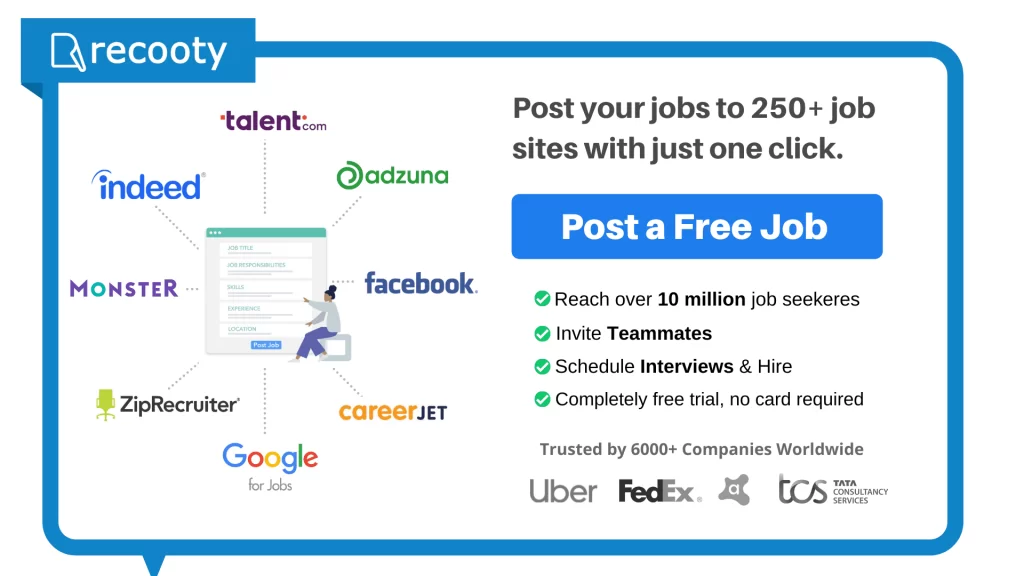
You can reach out to candidates at different job sites & platforms with the luxury of a few clicks, it makes the sourcing experience amazing.
Also, ATS platforms offer a talent pool feature that lets you save candidate data in one place. That record can help you revisit relevant people when a new role opens.
07Add new online channels to your mix
There are already a lot of popular online channels to source candidates from. These include top job sites like Indeed and Monster, social media platforms like LinkedIn, Facebook, and even Twitter nowadays.
Yes, these platforms are very good, but you can also look at other less common, more niche job sites & job boards for sourcing talent. The chances of getting responses from candidates from these sites are higher.
For instance, you can go on sites like Stack Overflow, AngelList & GitHub Jobs for searching for IT job candidates. You can find niche sites & platforms for finding candidates for a specific field of jobs like marketing, finance & others.
Add these to your sourcing channel mix to see the improvement in candidate sourcing right away. As these channels have the potential to enrich your talent pipeline so you have to use this sourcing strategy.
08Involve offline hiring methods for candidate sourcing
Online is modern, advanced & the latest method of candidate sourcing, but that doesn’t make the offline methods less effective. Going out & interacting with people is a great way to reach out to good candidates.
When you are planning to locate well-qualified candidates, attend job fairs, different industry conferences, seminars & events. Also, you can organize meet-ups to meet with people from specialized fields to find great talent.
Talk with people in these meetings/gatherings & ask if they’re looking for a new job opportunity. If their answer is yes, you should get their information to contact them to provide details regarding the open position.
09Leverage your employees’ network for talent sourcing
One more thing you can plan is to leverage the power of your employees’ online social networks for sourcing talent. Your employees not only can help you find hidden talent but also improve response rates from the candidates they are familiar with.
Conduct sourcing rounds with your team to find out if anyone from your employees’ social networks would be suitable for the vacant positions.
There are a lot of tools you can use to discover qualified candidates that are connected with your existing employees. Those tools include – Sourcing.io & Teamable.
10Source candidates in advance for the roles that aren’t open yet
Generally, candidate sourcing is done for the currently vacant roles. But, sourcing can be done for the positions that are going to be available to fill in the future.
You should have a look at the growth plans of your company, then prepare a hiring strategy accordingly. Make it in a way that gives you insight into when you will have to make hires over the course of the year.
Work with the seniors & colleagues at Finance & HR to pinpoint the level & skills required once you have clarity on which teams need expansion. Add up the skills, your knowledge about the company & team culture to start sourcing for particular roles in a focused & continuous manner.
Eventually, this process will help you to be ready with candidates to review whenever the need for an employee for a specific role arises.
11Prepare the best possible outreach messages for candidates
Well-crafted outreach messages for individual candidates are great to attract and engage them. These messages grab their attention & interest them to learn more about the open job role.
Remember you have to put the needs & wants of the prospective candidates before everything else. You need to put more weight on the goals of your candidates rather than your company’s to show them how you value them.
Some most effective practices to follow while crafting outreach messages:
- Write a catchy subject line to immediately dazzle them & makes them open your message.
- Personalization of messages with relevant info about the candidate is the key. Mention which of their qualities made you impressed.
- Give them brief details about the role & company.
- In the final section of the message, tell them how they could contribute their efforts to the team
It’s important to know your audience before you make the message. There are some preferences each type of professional has, and you need to keep their preferences in mind while preparing messages for them.
If you practice these techniques for preparing outreach messages you are more likely to increase the candidate response rate drastically. It will eventually be beneficial for your talent sourcing process.
12Construct a strong employer brand that candidates desire
Constructing a strong employer brand along with the company’s overall brand is one of the most significant things to do. The reason behind this is simple, candidates would love to work with a company with a good reputation & goodwill.
If you build and maintain a positive image then there are high chances that more candidates will respond to your outreach messages. Not only that, job candidates will start to apply for open roles with happiness.
Most effective employer branding strategies:
Provide positive feedback on reviews. The source says 86% of employees and job seekers research company reviews and ratings when deciding where to apply. Check review websites like Glassdoor and respond to feedback respectfully. Show that you value feedback and are willing to make improvements where needed.
Let your employees speak about your company – Encourage your employees to share their real stories about their work experiences. Your employees can also express what they like about working in your organization. Ask them to share their experiences via blogs & other relevant media. Conduct this practice to let people know that your company is a great place to work.
Team-up with your marketers – Work with your company’s marketing team for creating and distributing content across different channels. They utilize strategies that are the same as those strategies you require to spread your employer brand. So, it’s good to team up with them on this front.
13Follow-up with all candidates including those who don’t respond
Send follow-ups emails to all candidates to make the top talent remember you. Also, you have to include those candidates in your candidates’ list who don’t respond. Your consistent efforts will help you build a healthy relationship with the prospective candidates.
You can share company news with them, wish them on their birthdays, congratulate them on achieving milestones & even when they get a new job. Also, it tells them you’re eager to know about them plus add them as your team member.
If the candidates have interest in an open position they’ll let you know easily. And in case they are not interested, they might refer someone from their friends to you.
14Track your sourcing & recruiting metrics
You can ask yourself the following questions to track various metrics:
- What’s the number of communication attempts are required to receive responses from candidates?
- How much time does it take to nurture a candidate & convince them to apply for a position?
- From the first interview of the sourced candidate to their hiring, how much time does this process takes?
- Do the sourced candidates move faster through the screening process than the regular/general candidates?
- From where the best candidates are sourced from?
Answers to these questions will give you a clear idea of where the top talent can be found. Plus, you will also find out how they like to get communicated through these. On this basis, you can plan your activities in such a way it makes your hiring efforts fruitful.
15Keep in mind the internal hiring as one of the recruiting sourcing strategies
Yes, you can source candidates internally as well. It works pretty well when you’re expecting changes in your workforce plus are working on succession planning.
Remember that your existing employees are already familiar with your company and its work culture, vision, etc., that’s what makes them more valuable.
16Employee referral program is among the great recruiting sourcing strategies
Last but not the least, you should also have to implement employee referral as well.
Generally, your employees might know someone who has great potential to be a great candidate for the open positions in your firm. They can be those people whom they have worked with them in the past.
So, ask your employees to recommend such candidates, so you can add them to your sourcing pipeline. It’s one of the major recruiting sourcing strategies that you can utilize.
More related topics
A weekly candidate sourcing operating rhythm
- Review open roles and remove criteria that are not genuinely required.
- Activate one internal or referral source, one relevant community, and one direct-sourcing channel.
- Personalize a small batch of outreach and log the reason for contact.
- Review qualified conversion and candidate feedback by source.
- Refresh the talent pool, honor opt-outs, and share one learning with the hiring manager.
Use talent pools to preserve useful candidates and recruiting email templates to standardize outreach without making every message generic.
Skills-first sourcing needs a consistent handoff
Current sourcing advice often recommends skills-based search, referrals, talent communities, and channel-level measurement. The practical detail that makes those methods work together is the handoff between sourcing and assessment: a larger pipeline helps only when every source is assessed against the same job-related evidence.
LinkedIn’s Future of Recruiting report connects AI and skills-based hiring with quality-of-hire goals, while SHRM’s talent research describes social media as a common recruiting channel without treating usage alone as proof of effectiveness. Read LinkedIn’s report. See SHRM’s 2026 talent trends.
| Pipeline stage | Sourcing decision | Evidence to keep |
|---|---|---|
| Define | Translate the role into skills, outcomes, and constraints | Approved role brief and must-have criteria |
| Discover | Choose channels where the target talent participates | Search string, community, referral, or board source |
| Engage | Send a short message with a specific reason and a clear choice | Message version, response, and opt-out status |
| Qualify | Assess job-related evidence consistently | Screen notes, scorecard, and next-step reason |
| Nurture | Keep relevant people informed with permission | Consent, last contact, interest, and future-role fit |
| Learn | Compare quality and conversion by source | Qualified screens, interviews, hires, retention, and cost |
End Note
Choose a small set of sourcing channels, agree on the evidence before searching, and review the results with the hiring manager. An applicant tracking system such as Recooty can keep candidate records, stages, reminders, and source information together. Recooty also gives your team a place to save relevant candidates for future roles.
Frequently Asked Questions
What is the best candidate sourcing strategy?
There is no universal best channel. Start with the role’s skills and market, then compare referrals, internal talent, communities, direct outreach, and job boards by qualified outcomes.
How can skills-first sourcing expand the talent pool?
Search for demonstrated capabilities and outcomes instead of relying only on job titles, degrees, or employer names. Validate the skills with a consistent, job-related assessment.
Should recruiters keep candidates who were not selected?
Yes, when the candidate is relevant and has permission for future contact. Record the role fit, interest, last contact, and retention rules so the pool stays useful and respectful.
How do I measure sourcing effectiveness?
Track qualified applicants, screens, interviews, offers, hires, time in funnel, cost, and early retention by source. Applicant count alone is a weak signal.
Can an ATS replace a sourcing strategy?
No. An ATS can organize records, reminders, sources, and stages. The team still needs clear criteria, ethical outreach, human judgment, and a reason to contact each candidate.
What are active sourcing strategies?
Active sourcing means contacting potential candidates directly. Examples include referrals, professional communities, job fairs, social networks, and targeted outreach.
What are passive sourcing strategies?
Passive sourcing builds conditions that attract people who are not actively applying, such as a useful careers page, a credible employer brand, and relationships with professional communities.
How important is employer branding in sourcing?
Employer branding shapes how candidates judge your company before they reply or apply. Share accurate information about the work, pay, development, and interview process, then respond to feedback respectfully.
Practical recruiting playbooks, HR tutorials and hiring trends from the team behind Recooty — hiring software for growing teams.