Top Recruiting Software of 2026
In today’s dynamic and fast-paced world of recruitment, staying ahead of the curve is essential. In a recruitment world that was already majorly driven by

CONTENTS
- 00Introduction
- 01What is Recruiting Software?
- 02Types of Recruiting Software
- 03Top Features of Recruiting Software
- 04Benefits of a Recruiting Software
- 05Top 14 Recruiting Software
- Recooty
- Zoho Recruit
- Zip Recruiter
- iSmartRecruit
- factoHR
- Bamboo HR
- Workday Recruiting
- Workable
- GreenHouse
- Smart Recruiters
- Rippling
- Bullhorn
- Jazz HR
- Breezy HR
- 06How to choose the Best Recruiting Software?
- 07Frequently Asked Questions
Recruiting software helps you publish jobs, organize applicants, coordinate interviews, and keep hiring decisions in one place. The best choice depends on your team size, hiring volume, workflow, and budget. This guide explains the main software types, the features that matter, and 14 options to compare.
Start by mapping your recruitment process and the points where work slows down. Then compare each platform against those needs instead of choosing from a feature list alone.
What is Recruiting Software?
Recruiting software, also known as an applicant tracking system (ATS), is a technology solution that automates, simplifies, and streamlines the recruitment process. It helps businesses to efficiently manage the entire employee lifecycle, from sourcing potential candidates to onboarding new hires. It assists businesses to post job openings on various job boards, manage applicants, and hire new employees efficiently.
One thing to note here is that the term ‘recruiting software’ is an umbrella term under which there are various software solutions. These solutions have more or less the same purpose, but slightly different features, mainly differentiated based on the stages of the hiring process. We’ll be going over the main types of recruitment software that are widely used.
Types of Recruiting Software
Several types of recruiting software support different parts of hiring. Choose the type that matches the work your team needs to organize first:
Job Board Tools and Job Aggregators: These platforms act as search engines, showcasing job openings. They help attract candidates by promoting job listings through job postings, talent communities, and social media.
Applicant Tracking Systems (ATS): An ATS manages the hiring flow from job posting to candidate selection. It tracks applications, stores resumes, and organizes communication. See this list of the Top 20 Applicant Tracking Systems for more options.
Candidate Relationship Management (CRM) Systems: CRMs focus on building and maintaining relationships with potential candidates. They help recruiters engage with passive candidates, nurture talent pools, and stay connected with potential hires.
Recruitment Marketing Platforms: These tools enhance employer branding and candidate engagement. They enable targeted communication, personalized content, and effective recruitment campaigns.
Assessment and Testing Tools: These tools evaluate candidates’ skills, knowledge, and personality traits. They include coding assessments, cognitive tests, and behavioral assessments.
Onboarding Software: Once a candidate is hired, onboarding software organizes paperwork, training, and orientation.
Top Features of Recruiting Software
The useful features depend on the work your recruiters handle every day. Look for tools that reduce manual entry, make ownership visible, and give candidates timely updates:
Job Posting: Job posting functionality allows recruiters to create and distribute job openings across multiple platforms, such as company websites, job boards, and social media. It streamlines the process of advertising vacancies and ensures that job descriptions reach a wider audience.
Candidate Sourcing: Candidate sourcing involves identifying and attracting potential candidates for open positions. Recruitment software assists in sourcing by aggregating resumes from various sources (such as databases, social networks, and referrals). It may also include AI-driven tools that match candidate profiles with job requirements.
Applicant Tracking: Applicant tracking systems (ATS) manage the entire recruitment process. They organize candidate data, track application progress, and facilitate communication between recruiters and applicants. ATS features include resume parsing, interview scheduling, and automated email notifications.
Candidate Management: Candidate management tools centralize candidate information. Recruiters can view profiles, track interactions, and collaborate with team members. These systems ensure a seamless experience for candidates throughout the hiring journey.
Efficient Communication: Effective communication is crucial during recruitment. Software platforms offer features like automated emails, interview reminders, and real-time chat. Clear communication enhances candidate engagement and improves the overall recruitment process.
Resume Parsing: Resume parsing extracts relevant information from resumes and converts it into structured data. It saves time by automatically populating candidate profiles with details like work experience, education, and skills. Accurate parsing ensures consistency and reduces manual data entry errors.
Candidate Evaluation: Candidate evaluation tools help assess applicants objectively. Features include customizable evaluation criteria, scoring, and feedback collection. Recruiters can collaborate with hiring managers to make informed decisions.
Reporting: Reporting functionalities generate insights from recruitment data. Metrics such as time-to-fill, source effectiveness, and diversity statistics are essential for process optimization. Customizable dashboards allow recruiters to monitor performance and identify areas for improvement.
Build Talent Pool: A talent pool consists of potential candidates who may not be suitable for current openings but could be valuable in the future. Recruitment software helps build and maintain talent pools by categorizing candidates based on skills, experience, and interests. When new positions arise, recruiters can tap into this pool for quick hiring.
Career Websites: Career websites serve as a company’s virtual recruiting hub. Integrated with recruitment software, they showcase job listings, company culture, and employee testimonials. A well-designed career website attracts top talent and reinforces the employer brand.
Interview Scheduling: Interview scheduling tools simplify the coordination of interviews. Recruiters can send automated invitations, sync calendars, and manage time zones. Efficient scheduling ensures a smooth candidate experience.
Benefits of a Recruiting Software
Recruiting software is most useful when it removes repeated work and gives the hiring team a shared view of each candidate. Common benefits include:
Increased efficiency: Recruitment software can automate tasks such as candidate screening and interview scheduling, giving recruiters more time for sourcing and decision support.
A more organized hiring process: Automated communication and scheduling keep work moving from sourcing candidates to making offers.
Positive candidate experience: Clear communication, timely updates, and a simple application process help candidates understand what happens next.
A customizable hiring pipeline: You can define stages, criteria, and ownership around the way your team hires.
Wider reach: Posting jobs across several channels can increase visibility and give your team access to more candidates.
More consistent evaluation: Structured screening and assessment steps help the team compare candidates against the same requirements.
Improved employer brand: A professional, transparent process shapes how candidates view your organization, including people you do not hire.
Better role fit: Matching candidates to role requirements can support satisfaction and retention, although software cannot replace good job design or management.
Shorter time to hire: A clearer workflow can reduce delays between application review, interviews, and offers.
Lower administrative cost: Less manual work and shorter vacancies can reduce the cost of running a hiring process.
More structured decisions: Consistent criteria can support fairer evaluation, but your team must still review criteria and outcomes for bias.
Top 14 Recruiting Software
Here are 14 recruiting software options with different strengths. Review each one against your hiring volume, team workflow, integrations, and budget.
01Recooty
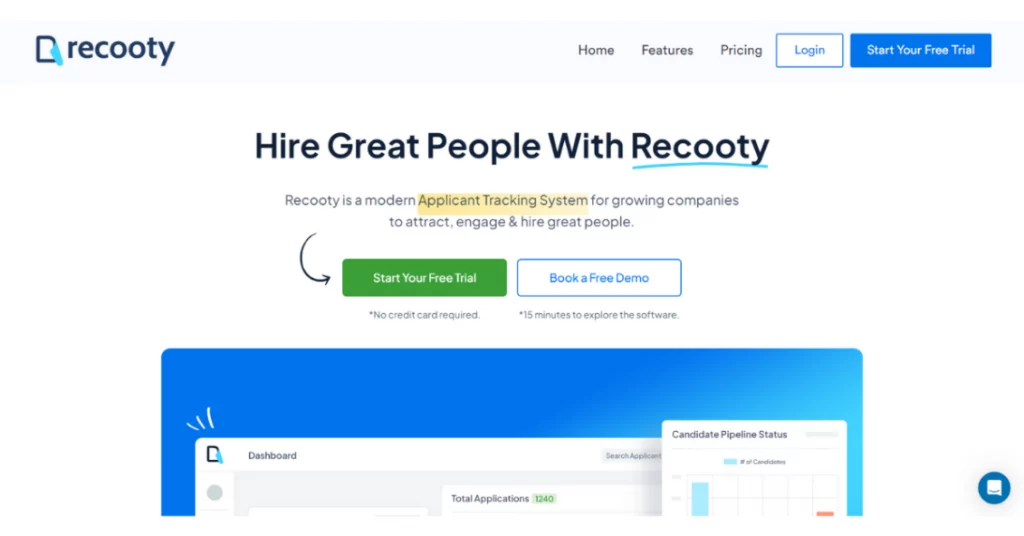
Recooty is a modern applicant tracking system (ATS) designed for growing companies and SMBs. It streamlines the entire recruitment process, from candidate sourcing to interview scheduling. With over 700 job description templates, Recooty helps you create compelling job posts and distribute them across relevant channels. It integrates with both free and paid job boards, your website’s careers page, and social media channels. The platform is easy-to-use, intuitive, and emphasizes collaboration, allowing hiring teams to work together efficiently. Recooty also offers customizable career pages and widgets for your website, enhancing your employer brand. Its AI-powered job description generator can help in generating effective JDs that attract top talent to your job postings. You can get a whole set of efficient features at a very affordable price. Whether you’re a small or medium enterprise, Recooty optimizes your hiring journey from start to finish.
02Zoho Recruit
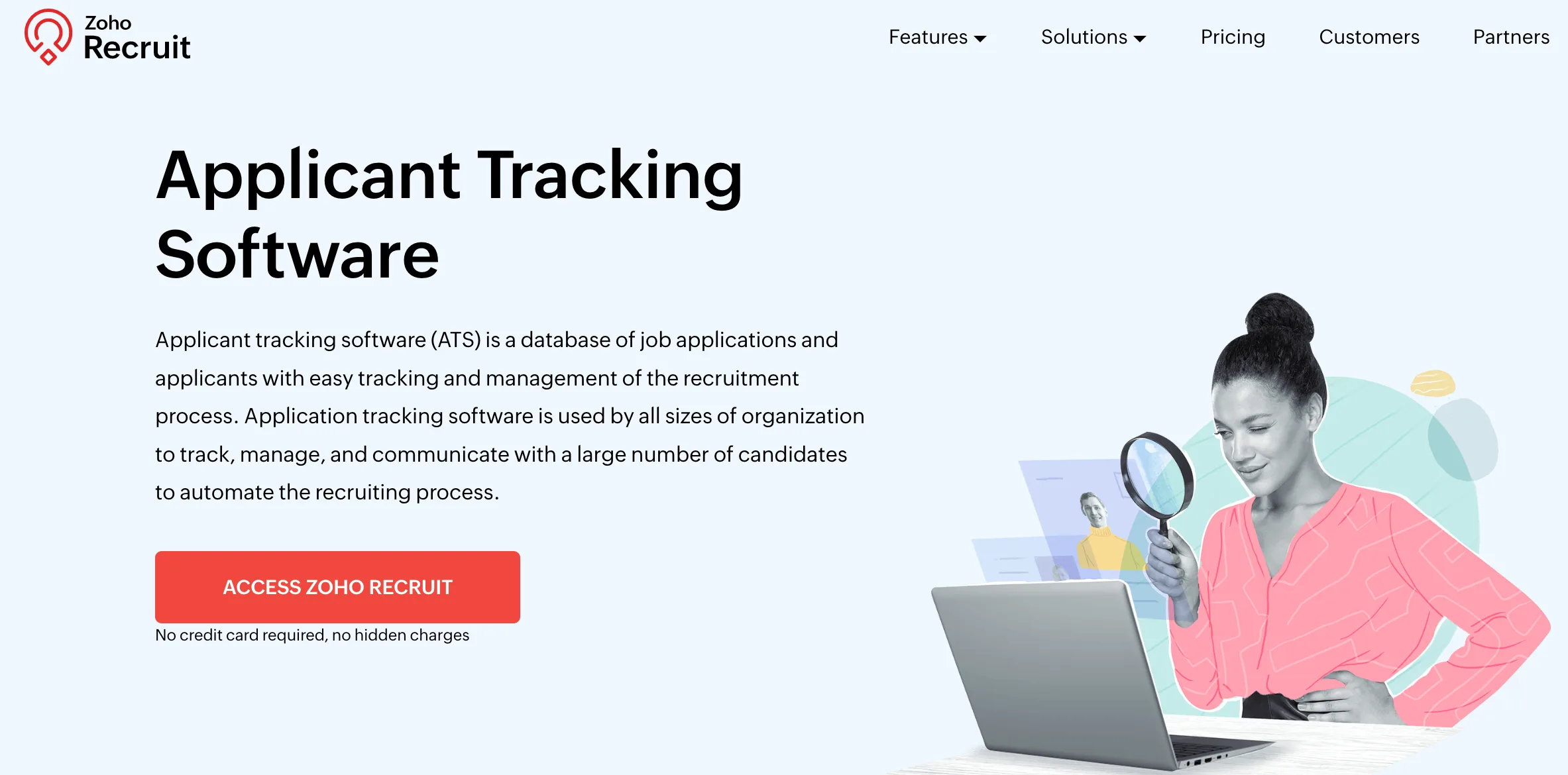
Zoho Recruit is an ATS recruitment software catering to staffing agencies and corporate companies. It simplifies the entire recruitment lifecycle, starting from candidate sourcing to interview scheduling. The platform eliminates manual data entry and traditional methods by centralizing all stakeholders—candidates, clients, and your recruiting team. Zoho Recruit integrates with premium and niche job boards, giving you an edge in candidate sourcing. Notable features include candidate engagement, hiring team collaboration, and high-volume efficiency. Customizable offer letter templates and AI-driven skills matching enhance the hiring process. Zoho Recruit ensures a seamless experience for candidates, making it easier for them to apply.
03Zip Recruiter
ZipRecruiter has been a prominent job board for over a decade, connecting more than 110 million job seekers with 2.8 million businesses. Its AI matching technology efficiently pairs candidates with job openings. The platform offers clear upfront pricing and a vast network of businesses and job seekers. While it’s excellent for high-volume hiring, it may be expensive for single job postings. ZipRecruiter provides features like resume search, candidate engagement, and a four-day free trial. The mobile app allows on-the-go job posting and candidate review
04iSmartRecruit
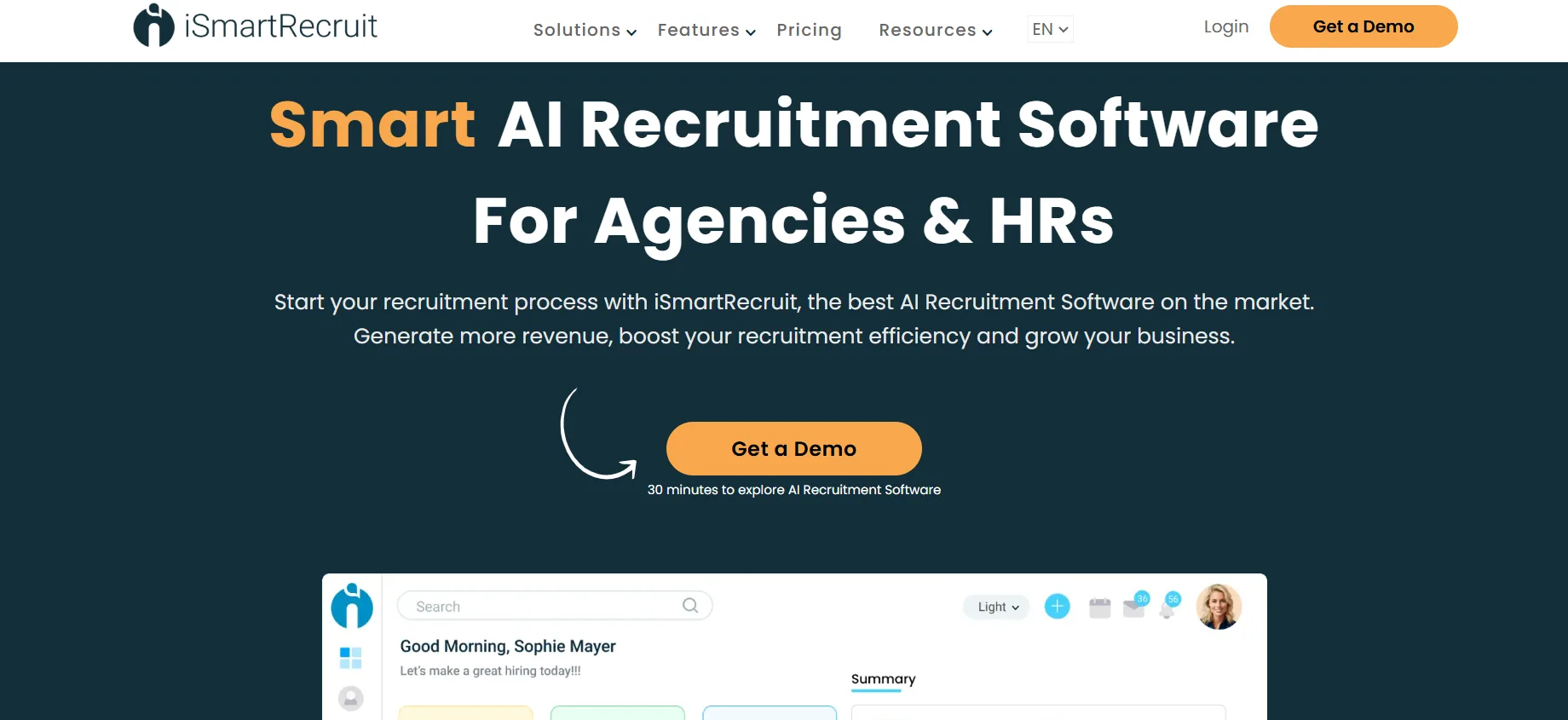
iSmartRecruit is a globally acclaimed Recruitment Software. Founded in 2013, iSmartRecruit has gained immense popularity for its cutting-edge features, such as AI-driven candidate matching, multilingual support, automated workflows, and seamless integrations with job boards and social media platforms. Catering to a wide range of industries and geographies, the platform is trusted by recruiters worldwide for its efficiency and ease of use. Recognized with top user ratings on Capterra, G2, and Sourceforge, iSmartRecruit is a leading choice for recruitment agencies, Executive Search Firms, HR teams and Enterprises aiming to streamline their hiring journey.
05factoHR
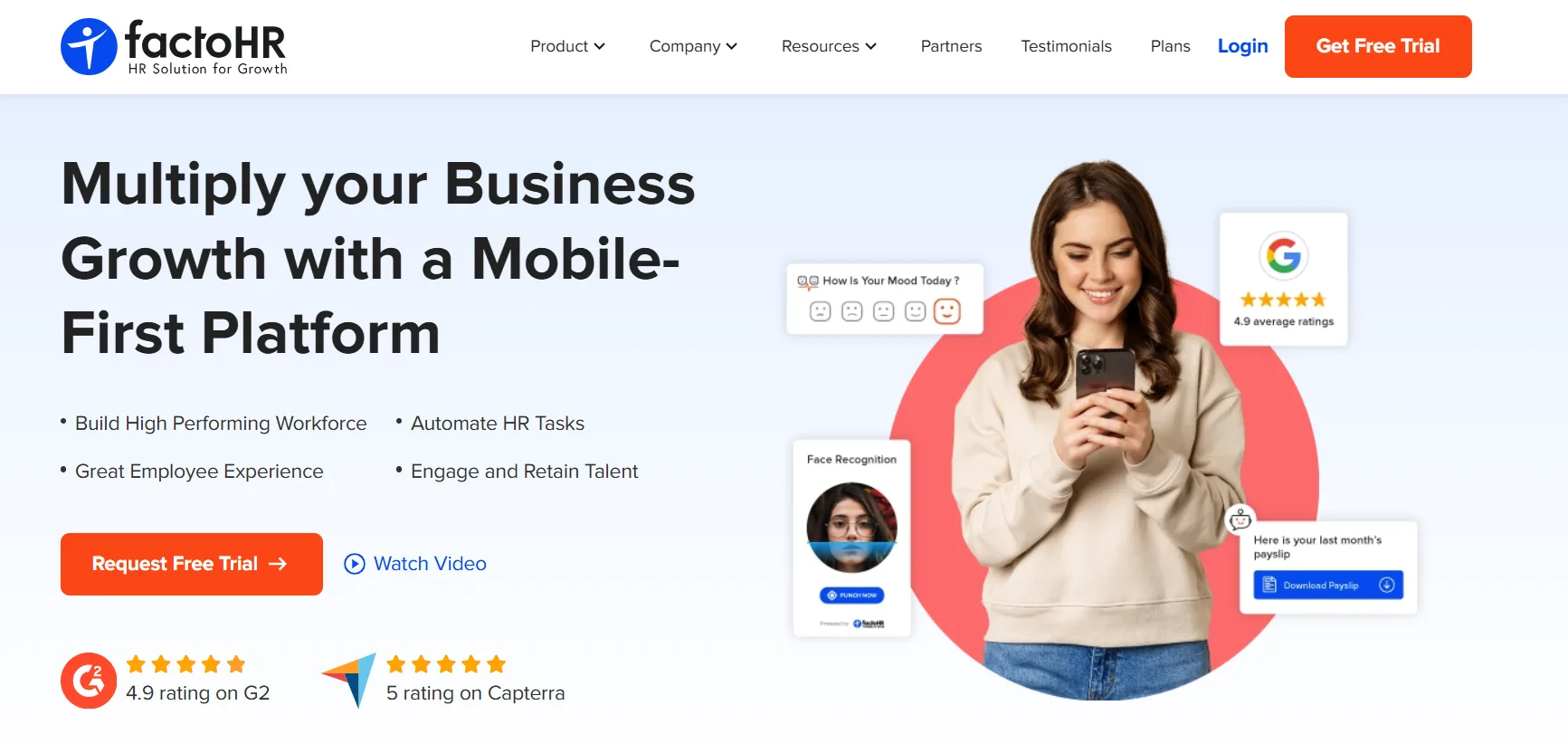
factoHR is a cloud-based HRMS and payroll solution that helps businesses of any size manage everything from attendance tracking and leave requests to payroll and compliance, all in one place. Automating day-to-day tasks reduces errors and saves time for HR teams. Employees can mark attendance, view payslips, and request leave through the mobile app, which makes staying on top of work much easier. The platform also offers performance management tools like goal setting and reviews to boost engagement. Thanks to frequent compliance updates and secure data handling, HR professionals can work with confidence.
06Bamboo HR
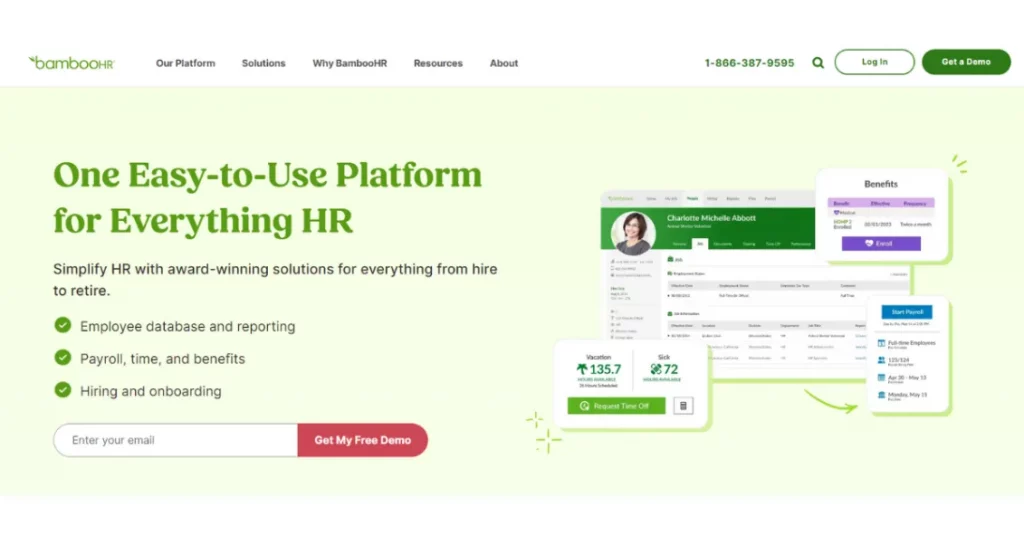
BambooHR’s recruiting software simplifies the hiring process. It keeps applicant information organized, from sourcing to offer letters. The platform ensures timely communication, creating a positive candidate experience. Collaborating as a team is easy, with custom permissions and automatic alerts. Evergreen requisitions help build candidate pipelines, and AI-driven skills intelligence enhances decision-making. BambooHR’s mobile app enables recruiters to review resumes and manage candidates from anywhere. It’s a comprehensive solution for efficient and personalized hiring.
07Workday Recruiting
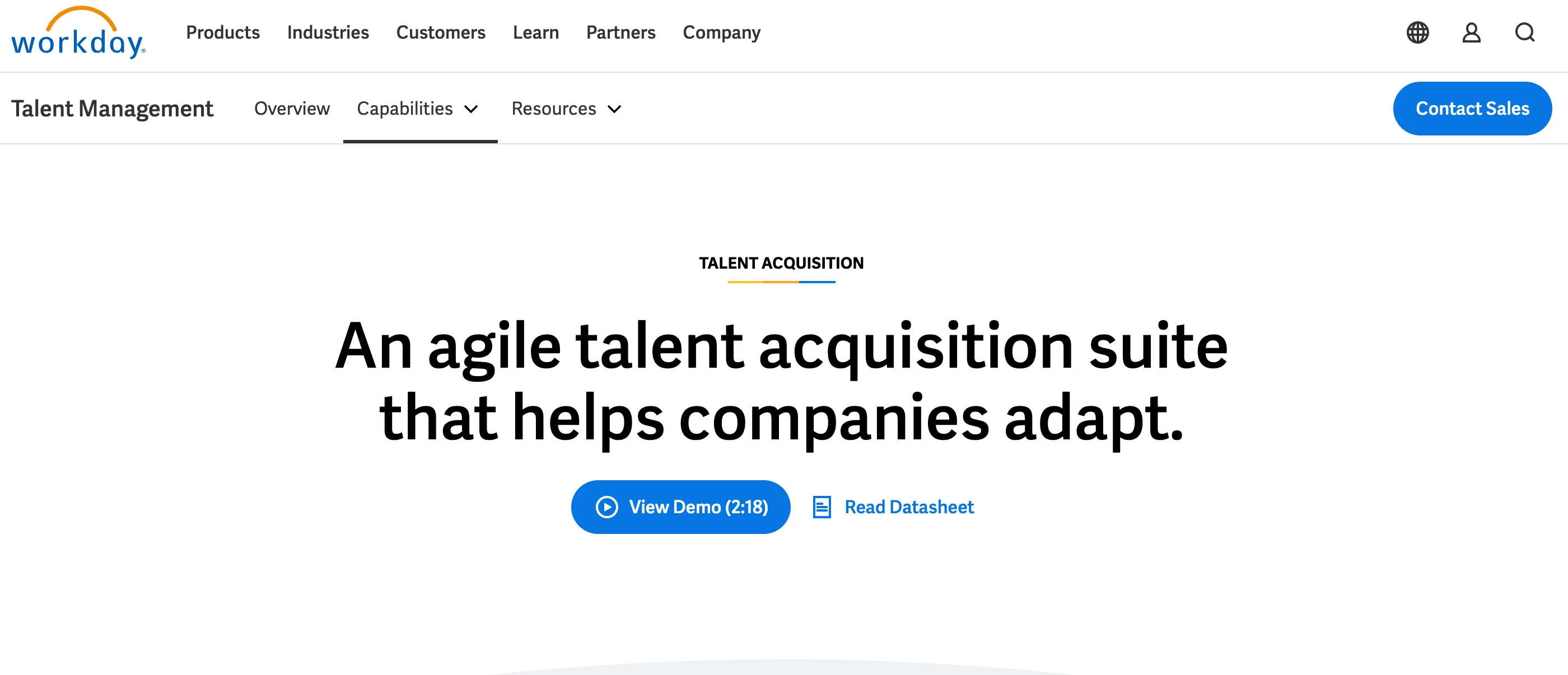
Workday Recruiting unifies recruiting, engagement, and skills intelligence with Workday HCM. It covers the entire talent acquisition lifecycle, emphasizing collaboration among hiring teams. Its evergreen requisitions, automated workflows, and real-time insights streamline hiring. The platform offers a personalized candidate experience, AI-driven job recommendations, and easy application processes. Workday’s centralized hub empowers recruiters, ensuring a seamless journey from application to the offer letter. The mobile app allows on-the-go hiring.
08Workable
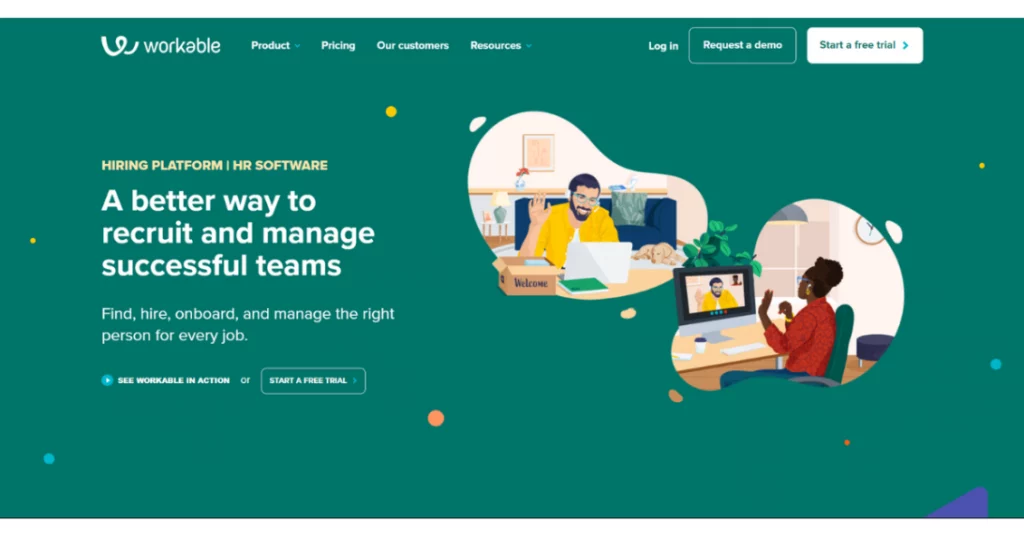
Workable is a comprehensive talent acquisition software that goes beyond mere applicant tracking. It serves as an all-in-one hiring platform, enabling teams to find candidates, evaluate applicants, and make informed hiring decisions without any hassle.
If the team is comparing platforms, this list of AI recruiting software can help narrow the shortlist. Workable streamlines the entire recruitment process, while ensuring that employers get qualified candidates for their job openings. Not only does it allow you to post jobs and attract candidates, but it also offers customizable hiring workflows and processes. The platform integrates with various job boards, ensuring broad visibility for your job postings. Automation is a key feature, enhancing efficiency by handling repetitive tasks. Workable’s mobile app keeps you connected even when you’re on the move.
09GreenHouse
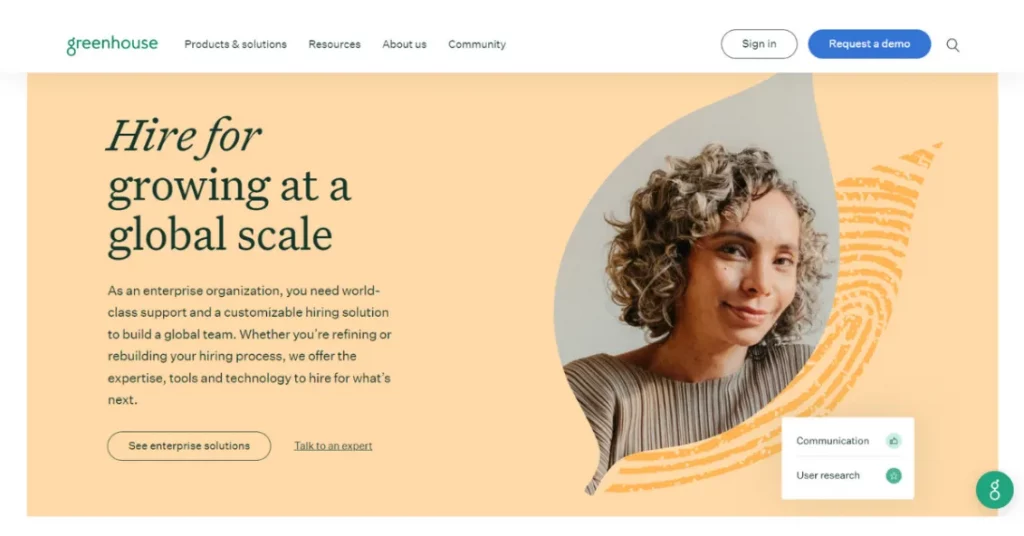
GreenHouse stands out as an applicant tracking system (ATS) and hiring platform that empowers organizations to transform their recruitment process. It covers the entire hiring lifecycle, from sourcing qualified talent to onboarding newly hired employees. GreenHouse’s scalable workflows support every step, ensuring seamless candidate management. Beyond being an ATS, it acts as a central hub for your recruitment stack. Customizable hiring workflows, automated tasks, integrations, and compliance training are among its top features. GreenHouse simplifies onboarding, keeps employees up to speed, and engages your workforce. It’s a powerful tool for modern recruitment.
10Smart Recruiters
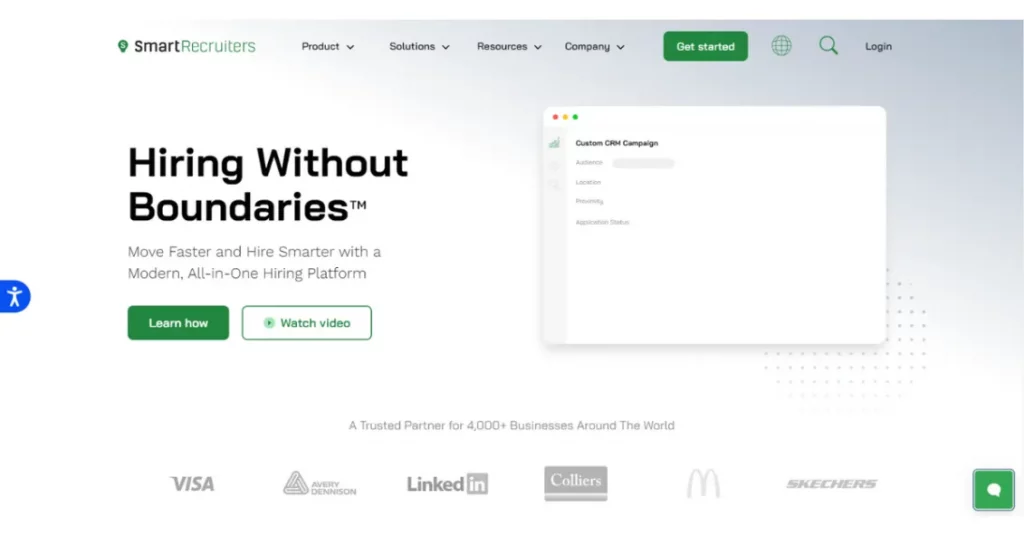
Smart Recruiters is a comprehensive talent acquisition suite designed for modern recruitment needs. Its core product, Smart Recruit, offers an easy-to-use interface with built-in features such as recruitment marketing, applicant tracking, candidate evaluation, and job offer tools. It caters to businesses of varying sizes and integrates seamlessly with 350+ pre-integrated recruitment solutions. Additionally, Smart Recruit provides 200+ job boards for global distribution. The platform is compliant with GDPR and privacy regulations, ensuring data security. Pricing depends on your customized bundle and the number of employees in your organization. The add-ons include Smart CRM, SmartJobs, SmartPal (conversational AI), SmartAssistant (native AI), SmartMessage (SMS & WhatsApp communication), SmartConnect (integrations), and SmartGlobal (contract management for job distributions).
11Rippling
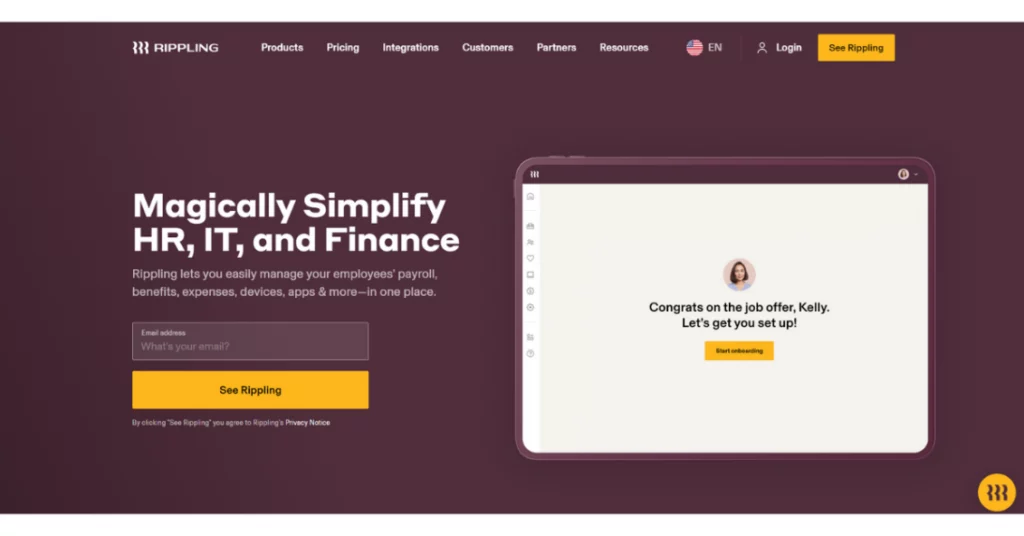
Rippling is an all-in-one HR software solution suitable for teams ranging from two to over 2,000 employees. Its features include an applicant tracking system (ATS), full payroll and benefits management, time and attendance tracking, learning management, and professional employer organization (PEO) services. Rippling’s user-friendly interface allows easy setup and customization. The pricing model is flexible, with options like the Startup Plan (starting at $189/month) offering candidate automation, background screening integrations, customizable pipeline stages, live video meetings, and real-time analytics. The Bootstrap Plan is free and provides basic recruitment features, while the Pro Plan (starting at $420/month) includes additional features like multiple recruiting pipelines and advanced visual reporting.
12Bullhorn
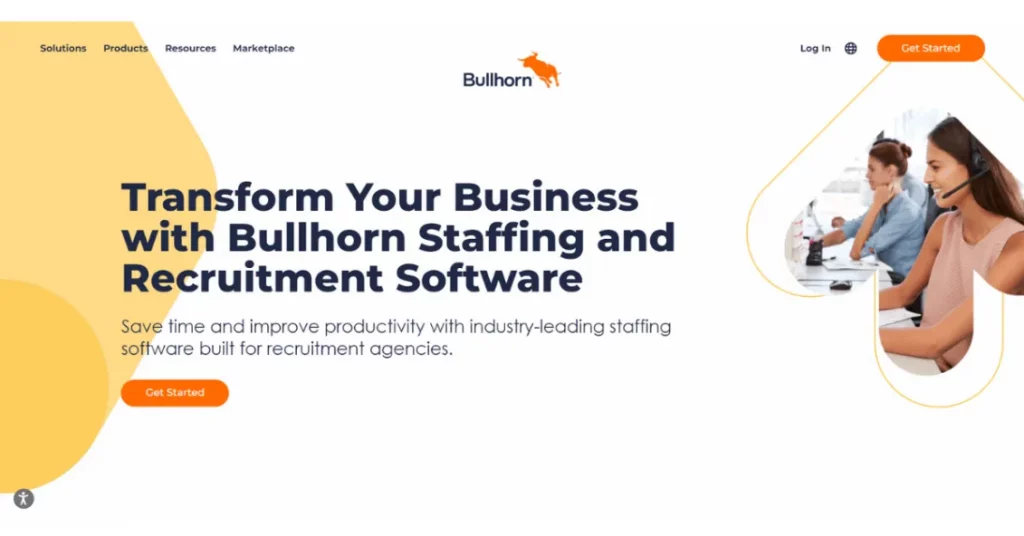
Bullhorn combines unlimited customization with an attractive user interface (UI) all at a very affordable price. The system centralizes activities, making it an excellent choice for businesses. Bullhorn offers solutions for every part of the recruiting life cycle, including applicant tracking, candidate pools, and approvals. Its app store allows integration with popular tools like Slack, Zoom, and Salesforce. The pricing structure is based on a pay-per-user-per-month model, with plans ranging from basic functionality to premium features. Enterprise packages are also available with volume discounts and additional resources.
13Jazz HR
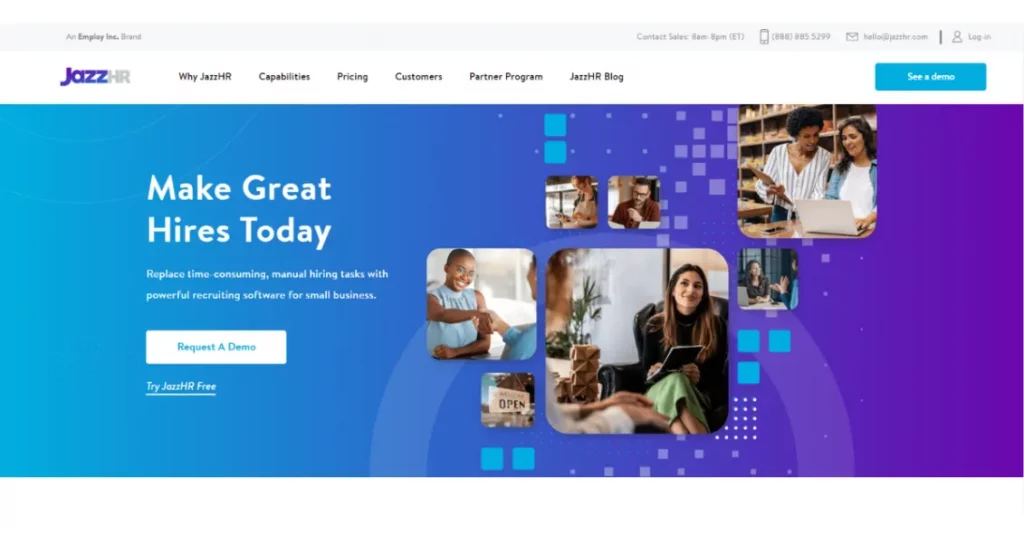
JazzHR is a powerful and user-friendly recruitment and applicant tracking software (ATS) that scales a business’ ability to find and hire great talent. By automating and optimizing the entire hiring process, JazzHR enables companies to save time, make informed hiring decisions, and reduce overall recruiting costs1. Designed specifically for small and growing businesses, JazzHR streamlines recruiting efforts by centralizing candidate information, automating repetitive tasks, and ensuring better competitiveness in attracting top candidates. With unlimited jobs and users, it offers flexibility and ease of use, making it an ideal solution for SMBs. Whether you’re posting job listings, managing candidate pipelines, or collaborating with your hiring team, JazzHR provides robust functionality across the entire recruiting process.
14Breezy HR
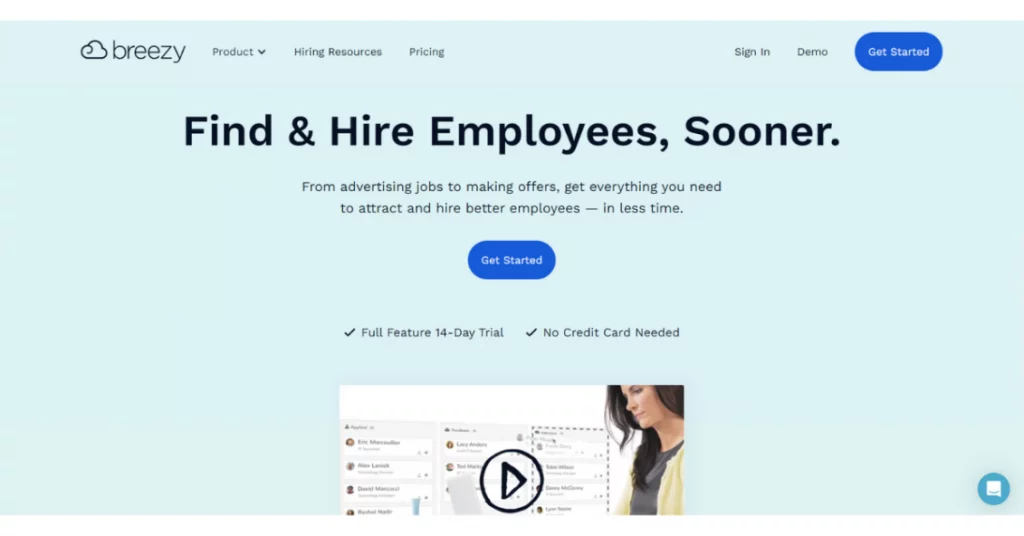
Breezy HR is a modern hiring software and applicant tracking system (ATS) that streamlines the recruitment process. From advertising job openings on 50+ top job sites to automating repetitive tasks like pre-screening candidates and scheduling interviews, Breezy helps attract and hire quality employees efficiently. Its user-friendly interface allows customization of career sites, and it offers easy-to-use offer management and HRIS integrations. Over 17,000 companies have chosen Breezy to optimize their hiring process, making it a popular choice for businesses of all sizes.
How to choose the Best Recruiting Software?
The best recruiting software is the one your team can use consistently for the work it needs to do. Compare the options against these four areas before requesting a demo or starting a trial.
1. Analyze your company needs. Assess your team size, hiring volume, workflow, and budget before comparing tools.
Company Size – Are you a small startup, a mid-sized company, or a large enterprise? The software you choose should align with your team size and scalability needs.
Recruitment Strategy – Understand your recruitment workflow. Do you focus on active sourcing, passive candidate engagement, or a combination of both?
Budget – Determine your budget constraints. Some solutions offer robust features but come at a higher cost, while others provide cost-effective options.
2. Prioritize essential features. Select the capabilities that solve your current bottlenecks rather than paying for features your team will not use.
Applicant Tracking System (ATS) – An efficient ATS helps manage candidate pipelines, track applications, and streamline communication. Look for features like resume parsing, interview scheduling, and customizable workflows.
User Interface (UI) and User Experience (UX) – A user-friendly interface ensures smooth navigation for both recruiters and candidates. Test the software for overall functionality and user-friendliness before committing to a purchase.
Integration Capabilities – Consider how well the software integrates with your existing tools (e.g., HRIS, CRM, job boards). Seamless integration enhances efficiency and data accuracy.
Comprehensive Analytics – Data-driven decisions are essential. Look for reporting and analytics features that provide insights into your recruitment performance. Metrics like time-to-fill, source effectiveness, and candidate quality matter.
Customer Support – Reliable customer support is crucial. Ensure the software provider offers timely assistance when needed.
3. Compare ready-made and custom solutions. Ready-made software is usually faster to implement, while custom solutions can fit unusual workflows. Confirm what is included and how pricing changes with the functionality you need.
4. Analyze return on investment (ROI). Compare implementation and subscription costs with time saved, candidate completion, time to hire, and the quality of shortlisted candidates. Review these measures after launch instead of assuming a tool will improve them automatically.
Frequently Asked Questions
What is the best software for recruitment?
The best software depends on your hiring volume, team size, workflow, and budget. Options in this guide include Recooty, Workday, Greenhouse, and other tools with different strengths.
Which platform is best for recruitment?
The right platform varies by industry, company size, hiring volume, and budget. ZipRecruiter, Breezy HR, and Recooty suit different hiring needs.
Which CRM is best for recruitment?
A recruitment CRM should help your team build candidate relationships, manage talent pools, and follow up consistently. Compare platforms such as Manatal, Thryv, and Teamtailor against those requirements.
What is ATS recruitment?
ATS recruitment uses an applicant tracking system to manage job postings, applications, candidate communication, interview steps, and hiring decisions in one workflow.
Practical recruiting playbooks, HR tutorials and hiring trends from the team behind Recooty — hiring software for growing teams.